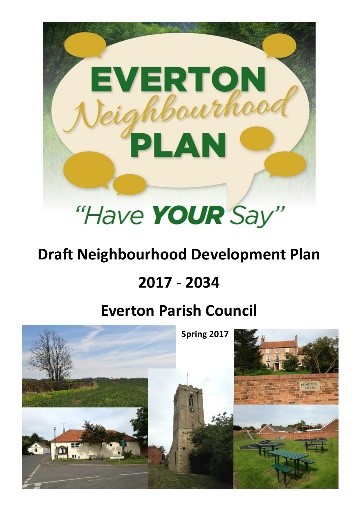
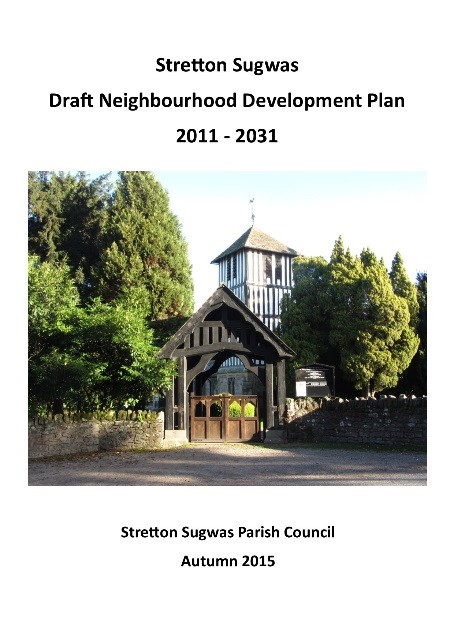
In the perfect start to the Easter Holiday Kirkwells provided training last night to a parish council on neighbourhood planning.
And we left this particular village hall with the feeling that for many the key question is “is neighbourhood planning going to be worth all the effort?”
After going through the process. Long, bureaucratic, and with some odd twists and turns. After investing all that time and possibly money (the other key question, of course, is where is this going to come from?). And after being told we are “in charge”, only to find this has checks and balances, one of which is you cannot “have less” – serious questions were being asked in the room about the value of neighbourhood planning.
And valid questions they are too. Is it better to stick with the devil you know – the local planning authority and their plans? Or is is better to grasp the nettle and become masters of your own destiny, get designated, and prepare a plan for your neighbourhood?
Our opinion is it has to be the latter. If you wait in the wings you lose any control you have. You also run the risk of being seen as less interested than the places that are neighbourhood planning. Will we have cases of local planning authorities saying “let’s put it over there, they don’t seem to care”?
The other point that these particular parishioners were making with great force was the great mismatch in resources they already faced. With developers employing vast legal and professional teams to win appeals. And wouldn’t the same developers just do this when it came to neighbourhood planning? The obvious answer is – probably yes. But, again, the neighbourhood planning process gives communities, if they do it well, and get the all important facilitation from their local planning authority, the position of authority, tjhe power of being in charge. The neighbourhood plan will be part of the development plan. Key local people will know it like the back of their hand and will be able to be powerful advocates for its cause. They may also have the huge backing of a local referendum.
One final thought on the issue of being challenged by developer, or whoever, before we go and open our Easter Eggs. The key to defending any challenge is going to be making sure the neighbourhood plan, as with all plans, is up to date. Regular review. This is one DCLG need to give some thought to. It is OK firing everyone up. But real support needs putting in place – financial and technical. In the end, if this is to be a success, we have to make sure neighbourhood plans do what they are intended to do. Put local people in charge.
Happy Easter!
If you would like to find out more about Kirkwells’ Neighbourhood Planning Training – call Mick on 01282 872570, or email michaelwellock@kirkwells.co.uk


Self Build: Don’t Leave Planning Until Too Late
Share on FacebookShare via EmailTweet this postShare on LinkedInSelf Build housing is very much in the news, particularly with the extra support it is being given by central government.
And many people after watching TV shows such as Grand Designs see Self Build as the perfect way of building their dream home.
And if you are thinking of Self Build one thing you must get right in the earliest stages is planning permission. Over the years we have come across many people who have found what they think is the right location for their dream home, bought the land, and engaged an architect to prepare designs only to find out that they cannot obtain planning permission. This may be because it is in Green Belt, or other protected open land, or it may be the site of old farm buildings now considered abandoned and not suitable for redevelopment.
When this happens it can be one of the most devastating events in a persons life – much money has already changed hands and dreams are literally shattered. But these pitfalls are so easy to avoid. How? By making planning the first thing you investigate once you have found a site.
And this is relatively easy to do. Most local councils these days publish their Local Plans or Local Development Frameworks on line. From these pages you will be able to establish the planning policy relating to your particular site, and whether a house would be acceptable in planning terms. But don’t leave things here. Ring the Planners responsible for planning policy to double check. Talk through with them the planning policy relating to your potential site, ask about any particular policy issues your planning application will have to address, ask if policy is likely to change, and ask if the local planning authority have any other non-planning policies, or know of any other issues that could affect the site and its development for housing.
You will probably want to know what the council’s plans are for the land in the area of your potential new home so check this out at the same time.
If you find this daunting you may want to engage a planning consultant to ask the questions for you. You may even want to engage a planning consultant to help in your site search. And if you do engage a planning consultant make sure they are chartered town planners recognised by the Royal Town Planning Institute (RTPI) – look for this logo:
Many people, even those who are not planners, will tell you they can get planning approval. But only chartered town planners come with the RTPI’s seal of approval. So be careful you wouldn’t employ a plumber to do the wiring on your dream home!
Once you have satisfied yourself there is every prospect of securing planning approval it is time to negotiate to buy the site subject to receiving that planning approval, and begin working on the thing that probably got you in to this in the first place – the house design! But even now, you cannot forget the fact you still need that all important planning approval. And there is still plenty to be done on this.
Unfortunately, this is not just filling in some forms and submitting your architects drawings. You will probably need a Design and Access Statement, you may have to deal with Community Infrastructure Levy issues, you may be asked for specialist reports on ground conditions, noise, or ecology to name just three. And remember if you do need help the experts in pulling all this together and submitting your application are chartered town planners.
Once your application is submitted you should feel like you are getting somewhere. But don’t forget you may have to deal with questions from the planning officers, neighbours may object, statutory consultees may have comments all of which will need to be dealt with and may entail amendments to your original application. And as that all important Planning Committee date draws near you may need someone to stand up at the meeting to stress the quality and benefits of your proposal. And, hopefully, you get the answer you want a planning approval.
Now you can breathe a sigh of relief: site bought; house designed; planning approved. Just the contractors to deal with now! Oh and before we forget Building Regulations!
So if you are thinking of starting a Self Build project, are looking for a suitable site, or have a site in mind and need to discuss how you secure planning permission remember don’t leave planning until it is too late, and always use chartered town planners.
If you want to know more about the issues raised in this Kirkwell’s Comment just call Claire Parker on 01282 872570.
©Kirkwells Town Planners and Sustainable Development Consultants based at the Lancashire Digital Technology Centre in Burnley www.kirkwells.co.uk
Research • Planning Policy • Site Search • Site Appraisal • Planning Applications • Appeals • Sustainable Development • Urban Design • Masterplanning • Heritage Statements • Bids for Funding • Neighbourhood Planning • Community Right to Build • Community Engagement • Training
Back to Top